Dreaming of the Dock? Bring the Lakehouse Aesthetic Home

There is something deeply comforting about the lakehouse aesthetic. It evokes memories of lazy summer afternoons, the gentle lapping of water against a dock, and the earthy scent of pine and fresh air. But you do not need to own property on a lake to bring this serene style into your home.
Whether you live in a city apartment or a suburban home, the lakehouse style uses natural materials. It features soft textures and a relaxed, welcoming vibe. In this guide, we will explain what defines this look. We will also share 10 practical ideas to help you create a cozy retreat.
What Is the Lakehouse Aesthetic?
At its core, the lakehouse aesthetic blends rustic cabin warmth with breezy coastal lightness. Unlike a heavy log cabin, a lakehouse feels less dark and masculine. Unlike a beach house, it feels less tropical and bright. A lakehouse sits comfortably in the middle.
Key characteristics include:
- Natural wood – exposed beams, reclaimed floors, wood-paneled walls
- Soft, muted colors – sage green, navy blue, warm beige, crisp white
- Layered textiles – linen, wool, cotton, and knit throws
- Vintage or antique touches – old oars, weathered signs, mason jars
- Indoor-outdoor flow – large windows, screened porches, stone fireplaces
The result is a space that feels lived-in, unpretentious, and deeply restful.
Check This Site https://dailywordmagazine.com/
10 Ways to Bring the Lakehouse Aesthetic Into Your Home
You do not need a full renovation to capture this look. Start with these simple, affordable ideas.
1. Start With a Neutral, Earthy Color Palette
Forget stark whites or bold neons. The lakehouse aesthetic thrives on colors found in nature: driftwood gray, mossy green, deep indigo (like a night sky over water), and warm cream.
Pro tip: Paint your walls a soft off-white (e.g., Swiss Coffee or Simply White) and use deeper blues and greens in furniture, rugs, and pillows.

2. Bring in Natural Wood – Lots of It
Wood is the backbone of any lakehouse-inspired room. If you have hardwood floors, let them shine. If not, add wood through furniture: a chunky coffee table, open shelving, or even peel-and-stick wood panels on one accent wall.
Avoid glossy, polished finishes. Instead, look for matte, wire-brushed, or reclaimed wood.
3. Choose Stone for Texture and Warmth
A stone fireplace is the ultimate lakehouse centerpiece. No fireplace? Use stone-look peel-and-stick tiles behind a bookshelf or as a kitchen backsplash. The rough, organic texture balances the softness of your textiles.
4. Layer Soft, Touchable Textiles
The lakehouse should make you want to curl up with a book. Layer a linen sofa with a chunky knit blanket and a few cotton pillows in stripes or plaids. Add a jute or braided wool rug underfoot.
Avoid: Synthetic fabrics, shiny silks, or overly structured cushions.
5. Let in as Much Natural Light as Possible
Lakehouses celebrate the view. Swap heavy drapes for light-filtering linen curtains or bamboo shades. If privacy is a concern, use sheer white curtains layered with natural wood blinds.
Mirrors also help bounce light around – especially an oversized, simple framed mirror.
6. Decorate With Vintage and Found Objects
The best lakehouses feel collected over time, not bought in one weekend. Look for antique oars, old fishing nets, vintage life rings, or weathered wooden signs. Even a simple mason jar filled with dried hydrangeas works.
Where to find them: estate sales, flea markets, Facebook Marketplace, or your own attic.
7. Use Stripes and Plaids – But Sparingly
Nothing says “lake cottage” like a navy-and-white stripe or a muted red-and-black plaid. However, do not overdo it. Use stripes on a single accent pillow or a throw blanket. Use plaid on a single armchair. Keep the rest of the room solid and neutral.
8. Add Greenery and Natural Elements
Fresh or dried botanicals bring life to the lakehouse aesthetic. Try:
- A bunch of eucalyptus in a ceramic pitcher
- Dried lavender or pampas grass
- A small potted fern or snake plant
Avoid fake plastic plants – they break the natural, honest feel.
9. Choose Comfortable, Oversized Furniture
Lakehouse furniture prioritizes comfort over formality. Think deep sofas, upholstered armchairs, and big ottomans that double as coffee tables. Slipcovers in washable cotton or linen are both practical and stylish.
10. Create an Indoor-Outdoor Connection
Even without a lake view, you can blur the lines. Place a bench by a window with a stack of books. Use indoor/outdoor rugs. Hang a screen door on a interior pantry or bedroom closet for that classic lakehouse detail.
If you have a patio or balcony, furnish it like an extra room – with comfortable seating, outdoor pillows, and string lights.
Lakehouse Aesthetic Room by Room
Not every room needs to look like a full-time cabin. Here is how to apply the aesthetic to specific spaces.
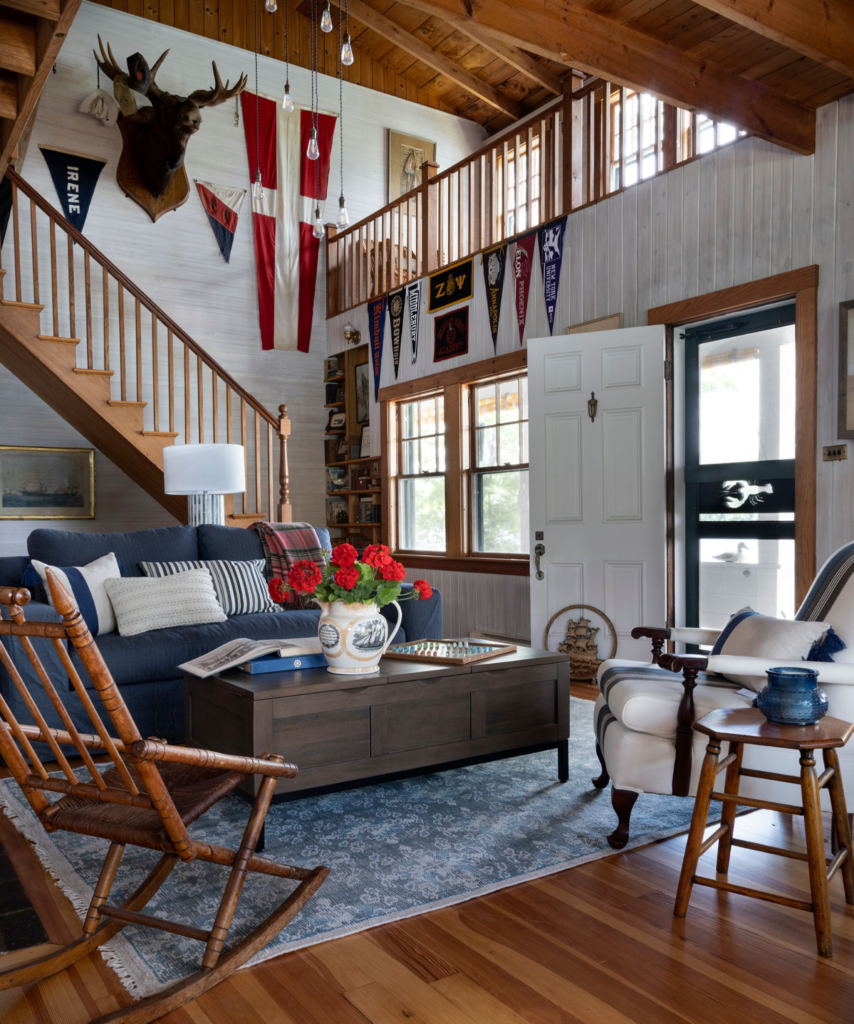
Living Room
- Stone or brick fireplace (real or faux)
- Oversized slipcovered sofa in cream or light gray
- Coffee table made of reclaimed wood
- Vintage lake map framed on the wall
- Woven basket for blankets
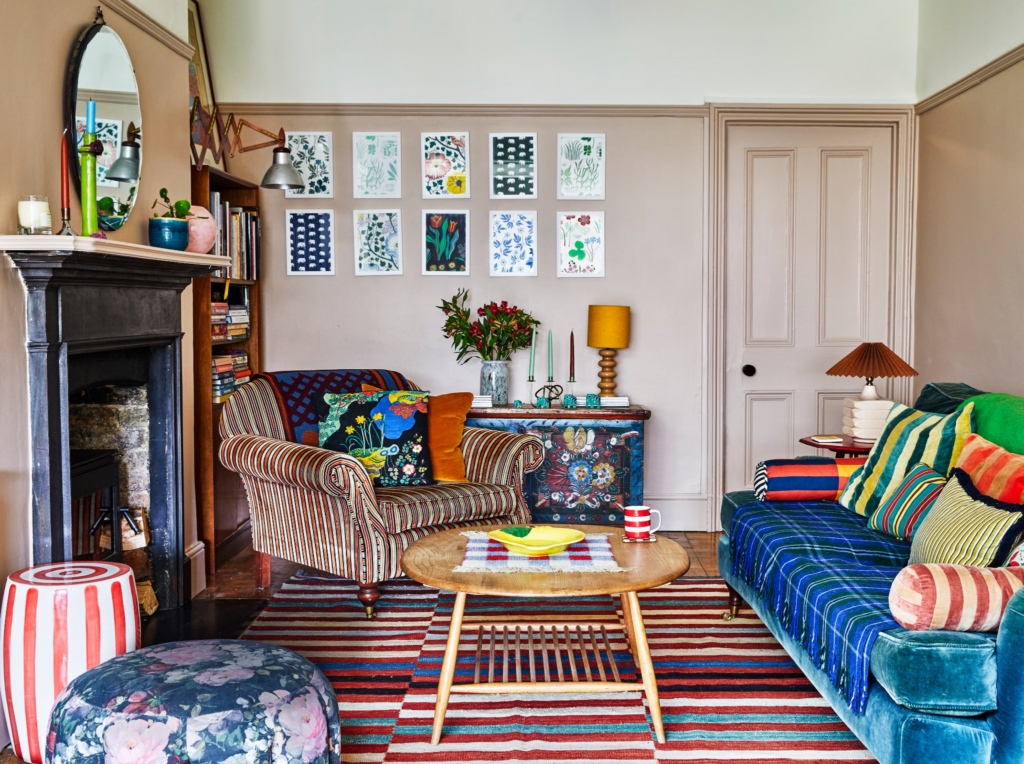
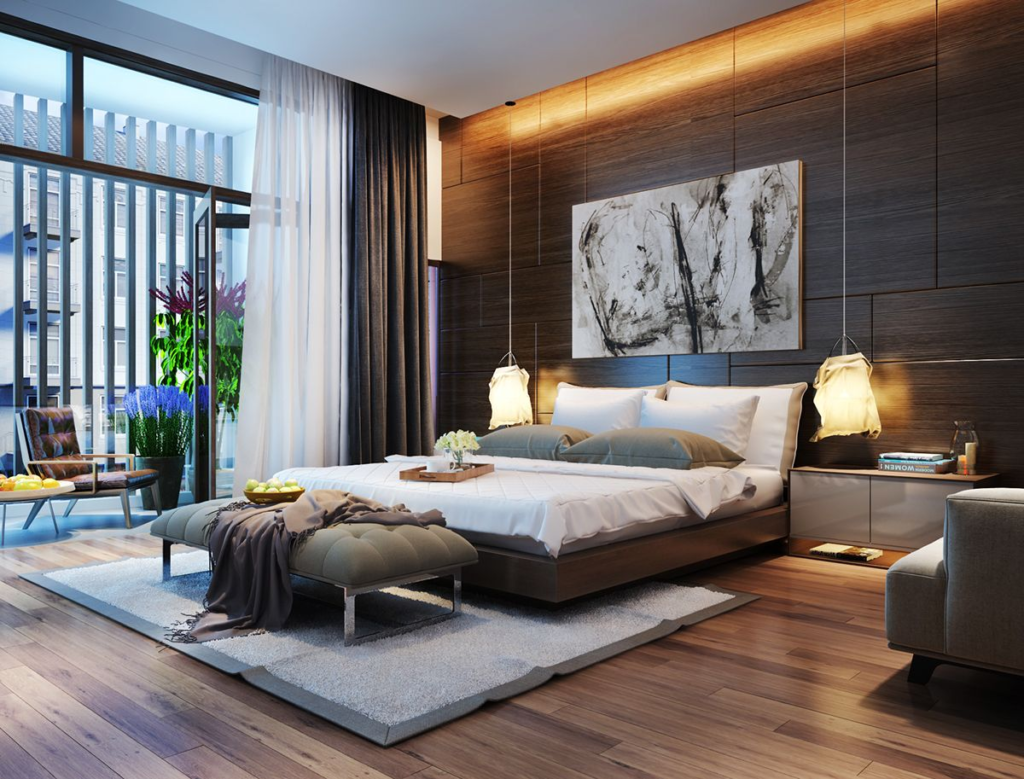
Bedroom
- Bed frame in natural wood (no dark stain)
- White linen duvet + a quilt at the foot of the bed
- Nightstand with a ceramic lamp and a stack of old books
- Simple sheer curtains
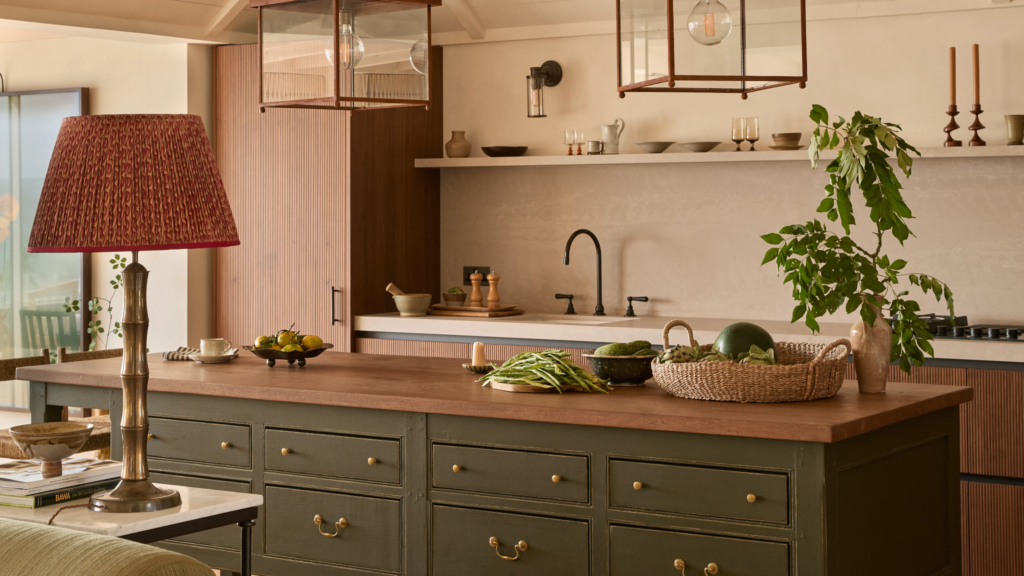
Kitchen
- Open wood shelving instead of upper cabinets
- White or cream shaker-style cabinets
- Butcher block or soapstone countertops
- Glass jars for storing dry goods
- A small vase of fresh herbs on the windowsill
Bathroom
- Beadboard walls painted white
- A wood-framed mirror
- Waffle-weave cotton towels in white or gray
- A stool or small bench made of teak or cedar
Common Mistakes to Avoid (And How to Fix Them)
| Mistake | How to fix it |
| Too much dark wood | Balance with plenty of white/cream walls and light textiles |
| Overly themed décor (fake fish signs, plastic buoys) | Replace with authentic vintage finds or simple natural objects |
| Dark, heavy curtains | Switch to light linen or bamboo shades |
| All new, matching furniture | Mix in one vintage piece – even a small side table helps |
Why the Lakehouse Aesthetic Works for Any Home
You might think the lakehouse aesthetic only works for actual lakefront cottages. But the truth is, its principles are universally soothing.
They include natural materials, soft light, comfortable furniture, and a connection to nature.
In a world of busy schedules and screen fatigue, a home that feels calm and unhurried is not just stylish. It is a form of self-care.
Final Thoughts
The lakehouse aesthetic is not about following strict rules or buying expensive “lake style” décor. It is about creating a home that feels warm, relaxed, and welcoming. It is a place where you and your guests want to slow down. You can stay a while and put your feet up.
Start with one or two changes from this guide. Add a jute rug. Swap out your throw pillows for linen ones. Hang a simple wood-framed mirror. Before you know it, your home will have that easy, timeless lakehouse feel – no waterfront property required.
Frequently Asked Questions (FAQ)
Can I do a lakehouse aesthetic in a small apartment?
Absolutely. Focus on light wall colors, natural wood accents, layered textiles, and one or two vintage pieces. Skip bulky furniture and use mirrors to expand the space visually.
Is the lakehouse aesthetic expensive?
Not at all. Many key pieces (vintage oars, mason jars, woven baskets, wood crates) can be found cheaply at thrift stores or flea markets. Paint is inexpensive and makes a huge difference.
How is a lakehouse different from a farmhouse?
Farmhouses tend to use more black, galvanized metal, and industrial touches. Lakehouse is softer, with more blue/green tones, stone, and a breezier feel.
What flooring works best?
Wide-plank wood flooring (or wood-look luxury vinyl) in a matte finish. Avoid high-gloss or very dark stains













Post Comment