Sustainable Fashion Trends: The Future of Ethical Style
Introduction
The apparel sector has consistently been intertwined with artistic identity, imaginative thinking, and personal expression. However, its implications on both the environment and society at large have additionally attracted attention in recent years. Consumer are starting to wonder how their clothes are created, where they originate from, and what impact they have on the ecosystem as awareness becomes more prevalent. Environmentally conscious fashion trends, which emphasise ethical production practices, materials that are sustainable, and longevity rather than short-term consumption, have appeared as a consequence of this mental shift.
The idea of environmentally responsible apparel is no longer proprietary. It has developed into a popular trend that is changing how consumers make informed choices regarding what products they want to purchase and how brands operate. From global designers to small local brands, the industry is evolving to meet the demand for transparency and responsibility. Understanding these trends is essential for anyone who wants to stay informed and make better choices in today’s fashion landscape.
Understanding the Concept of Sustainable Fashion
Clothing that has been generated, manufactured, crafted, and transported in a way that minimizes harm to humanity and the environment is recognized environmentally friendly fashion. It consists of the utilization of recycled or organic materials, decent labor standards, and activities to cut waste during the manufacturing process. Sustainable fashion places a higher priority on craftsmanship, dependability, and thoughtful consumption than fast fashion, which concentrates on fabricating enormous amounts of inexpensive products quickly.
Besides that, the theory stretches beyond the genuine product. It incorporates a garment’s comprehensive lifespan, spanning from the procurement of raw materials to disposal. Organizations that respect to ecological standards seek to lessen their carbon footprint, preserve water, and provide equitable work environments for their workforce. Sustainable apparel is a strong solution for the majority of the troubles that are caused by mainstream fashion strategies caused by this comprehensive and holistic stance.
The Rise of Eco-Friendly Materials
Utilising environmentally conscious supplies is one of the key trends in environmentally conscious fashion. Massive quantities of water, solvents, and energy tend to be required in manufacturing of traditional textiles like normal and synthetic fiber. Environmentally conscious stuff, on the flip side of things, are constructed to have less of an effect on the natural environment.
In one case, organic cotton demands lesser amounts of water than normal cotton and is grown free of the incorporation of carcinogenic pesticides. In an analogous way, recycled clothing products like recycled polyester diminish the necessity for new sourcing supplies because they are created from recycled plastic waste. In addition to their inherent characteristics and low environmental footprint, both hemp and bamboo are additionally growing far more popular.
These materials offers better quality as well as ease in addition to remaining better for nature. As technology grows into, more innovative textiles are developed, boosting the selection of environmentally friendly alternatives accessible and appealing to consumers.
The Slow Fashion Movement
Another significant aspect of environmentally friendly fashion trends is the slow fashion movement. It encourages individuals to quit buying cheap, disposable things and instead focus on adopting fewer, more expensive and more long-lasting acquisitions. This technique lowers waste and supports deliberate purchasing.
Making more knowledgeable choices is just as necessary to slow fashion as having fewer goods. It means taking into account variables like brand ethics, methods of manufacture, and material quality before making an acquisition. People can mitigate the environmental impact along with save money in the future by shopping durable fashion products.
Further, this movement supports a thriving small business owners and artisanal locals who tend to put greater importance on durability and craftsmanship compared to mass production. That is why slow fashion benefits both business and environmental protection development.
The Popularity of Second-Hand and Thrift Fashion
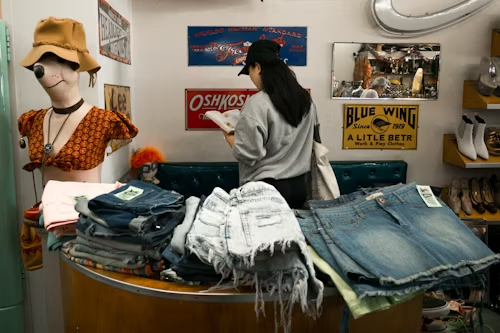
Second-hand fashion has become increasingly popular as people look for ways to reduce waste and embrace sustainability. Thrift stores, vintage shops, and online resale platforms offer a wide range of clothing options at affordable prices. This trend not only extends the life of garments but also reduces the demand for new production.
Many consumers are now viewing second-hand shopping as a stylish and responsible choice rather than a compromise. Vintage clothing, in particular, offers unique designs that are not available in modern collections, allowing individuals to express their personal style more creatively.
In addition, the rise of digital platforms has made it easier than ever to buy and sell pre-owned clothing. This has created a circular economy where garments are reused and recycled, minimizing their environmental impact.
Ethical Production and Fair Labor Practices
Sustainable fashion is not only about the environment; it is also about people. Ethical production ensures that workers involved in the manufacturing process are treated fairly and provided with safe working conditions. This includes fair wages, reasonable working hours, and protection from exploitation.
Many fashion brands are now prioritizing transparency and accountability by sharing information about their supply chains. Consumers are increasingly demanding to know where their clothes come from and how they are made. This has led to greater scrutiny of labor practices and a push for more ethical standards in the industry.
Supporting brands that prioritize ethical production helps create a more just and equitable fashion system. It also encourages other companies to adopt similar practices, leading to positive change across the industry.
Reducing Waste Through Innovation
Waste reduction is a major focus of sustainable fashion trends. The traditional fashion industry generates a significant amount of waste, from excess inventory to discarded clothing. Sustainable brands are addressing this issue through innovative approaches.
One such approach is zero-waste design, which aims to minimize fabric waste during the production process. Another method is upcycling, where old or unused materials are transformed into new products. These practices not only reduce waste but also add value to materials that would otherwise be discarded.
In addition, many brands are implementing recycling programs that allow customers to return old clothing for reuse or repurposing. This encourages responsible disposal and supports the transition to a circular fashion economy.
The Role of Consumers in Sustainable Fashion
Consumers play a crucial role in driving the sustainable fashion movement. By making informed choices, individuals can influence the practices of brands and contribute to positive change. This includes choosing quality over quantity, supporting ethical brands, and taking care of clothing to extend its lifespan.
Simple actions such as washing clothes less frequently, repairing damaged items, and donating unused garments can make a significant difference. Educating oneself about sustainability and staying aware of industry trends also helps consumers make better decisions.
As more people adopt sustainable practices, the demand for ethical and eco-friendly fashion continues to grow. This creates a powerful incentive for brands to prioritize sustainability and innovate further.
Challenges and Future of Sustainable Fashion
Despite its many benefits, sustainable fashion still faces several challenges. Higher production costs can make sustainable clothing more expensive, which may limit accessibility for some consumers. In addition, there is a lack of standardization and transparency, making it difficult to verify claims of sustainability.
However, the future of sustainable fashion looks promising. Advances in technology, increased consumer awareness, and stronger regulations are driving progress in the industry. As more brands adopt sustainable practices, costs are likely to decrease, making eco-friendly fashion more accessible to a wider audience.
Collaboration between designers, manufacturers, and consumers will be essential for overcoming these challenges and creating a more sustainable fashion system.
Conclusion
Sustainable fashion trends are transforming the industry by promoting ethical practices, reducing environmental impact, and encouraging mindful consumption. From eco-friendly materials to second-hand shopping and ethical production, these trends offer practical solutions to the challenges faced by the fashion industry.
As awareness continues to grow, sustainable fashion is becoming the new standard rather than an alternative. By making conscious choices and supporting responsible brands, individuals can play a part in shaping a better future for the fashion industry and the planet










Post Comment