Glock 19 Magazine: Everything You Need to Know Before Buying
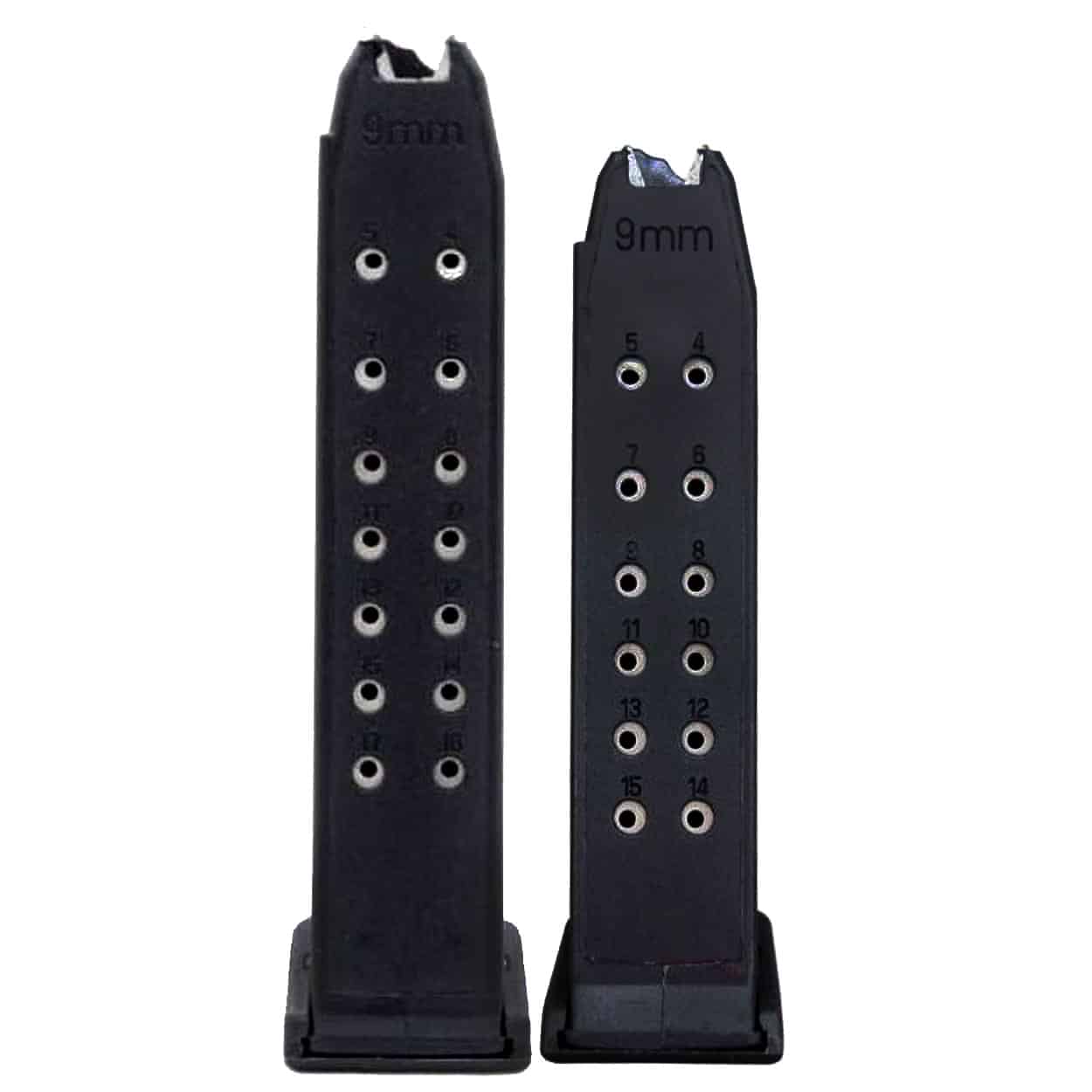
The Glock 19 magazine is one of the most important components of the popular Glock 19 pistol. Whether you’re a recreational shooter, competitive shooter, or someone who owns a Glock 19 for lawful personal use, selecting a high-quality magazine can significantly affect reliability and performance.
In this guide, we’ll explain how Glock 19 magazines work, the available capacities, compatibility with other Glock models, maintenance tips, and the factors to consider before purchasing one.
What Is a Glock 19 Magazine?
A Glock 19 magazine is a detachable ammunition magazine specifically designed for the Glock 19 pistol. It stores cartridges and feeds them into the firearm during operation. Glock magazines are known for their durability, lightweight construction, and dependable feeding under normal operating conditions.
Factory Glock magazines feature a high-strength polymer exterior reinforced with a steel liner, helping them resist wear while maintaining consistent performance.
Standard Glock 19 Magazine Capacity
The standard Glock 19 magazine typically holds 15 rounds, making it a popular balance between compact size and ammunition capacity.
Depending on local laws and regulations, you may also find:
- 10-round magazines for jurisdictions with magazine-capacity restrictions.
- 15-round factory magazines, which are the standard configuration.
- Extended-capacity magazines designed for compatible Glock models, where lawful.
Always verify and follow the magazine-capacity laws that apply where you live.
Types of Glock 19 Magazines
Several types of magazines are available for Glock 19 owners.
Factory OEM Magazines
Original Equipment Manufacturer (OEM) magazines are produced by Glock and are widely regarded for reliability and compatibility. Many owners prefer OEM magazines for everyday use because they are built to Glock’s specifications.
Aftermarket Magazines
Numerous third-party manufacturers produce Glock-compatible magazines. Quality varies by brand, so it’s worth researching customer reviews, testing reliability, and ensuring compatibility before relying on an aftermarket magazine.
Training Magazines
Some shooters dedicate specific magazines for practice sessions. This helps reduce wear on magazines reserved for important applications and simplifies training routines.
Glock 19 Magazine Compatibility
One of the advantages of the Glock platform is magazine compatibility across several models.
For example, magazines designed for larger double-stack 9mm Glock pistols may function in the Glock 19, although they may extend below the grip. Conversely, shorter magazines generally cannot provide full capacity or proper fit in larger models without considering the manufacturer’s compatibility guidance.
Always consult the firearm and magazine manufacturer’s documentation to confirm compatibility.
Features to Look For
When choosing a Glock 19 magazine, consider the following:
- Durable construction
- Smooth and reliable feeding
- Strong magazine spring
- High-quality follower
- Easy-to-remove base plate
- Clearly marked witness holes for round count
- Corrosion-resistant materials
These features contribute to long-term reliability and ease of maintenance.
How to Maintain a Glock 19 Magazine
Proper maintenance helps extend the service life of a magazine.
Basic maintenance includes:
- Inspect the magazine for cracks or visible damage.
- Keep the inside free from excessive dirt and debris.
- Replace worn springs or damaged followers when necessary.
- Avoid unnecessary impacts on hard surfaces.
- Periodically function-test magazines at the range.
Routine inspection can help identify wear before it affects reliability.
OEM vs. Aftermarket Magazines
Choosing between OEM and aftermarket magazines depends on your priorities.
OEM magazines generally offer:
- Proven reliability
- Excellent fit
- Consistent manufacturing quality
- Strong resale value
Aftermarket magazines may offer:
- Lower purchase price
- Additional capacity options where lawful
- Different base plate designs
- Enhanced grip textures
Regardless of the manufacturer, it is good practice to thoroughly test any magazine before depending on it.
Common Glock 19 Magazine Issues
Even quality magazines can experience problems over time.
Common issues include:
- Weak magazine springs
- Damaged feed lips
- Worn followers
- Dirt accumulation
- Physical damage from repeated drops
Replacing worn components and performing regular inspections can often restore reliable operation.
How to Choose the Right Glock 19 Magazine
Before purchasing, ask yourself:
- Is it manufactured by a reputable company?
- Is it compatible with your specific Glock model?
- Does it comply with local laws?
- Is it intended for practice, competition, or general range use?
- Does it have positive customer reviews?
Answering these questions can help narrow your options and reduce the chance of purchasing an unsuitable magazine.
Frequently Asked Questions
How many rounds does a standard Glock 19 magazine hold?
A standard factory Glock 19 magazine typically holds 15 rounds, although reduced-capacity versions are available where required by law.
Are Glock 19 magazines durable?
Factory Glock magazines are well known for their durable polymer-and-steel construction and are widely respected for reliability when properly maintained.
Can aftermarket magazines work with a Glock 19?
Many aftermarket magazines are designed to be compatible with the Glock 19, but reliability and quality can vary between manufacturers. Testing any new magazine before regular use is recommended.
How often should I clean my magazines?
Cleaning frequency depends on usage and environmental conditions. Magazines exposed to dust, mud, or heavy range use should be inspected and cleaned more frequently.
Conclusion
The Glock 19 magazine plays a key role in the reliable operation of the firearm. Whether you choose a factory OEM magazine or a quality aftermarket option, selecting a well-made magazine, maintaining it properly, and confirming compatibility with your firearm are important steps toward dependable performance.
Before purchasing, consider capacity requirements, intended use, construction quality, and local regulations. Investing in reliable magazines and inspecting them regularly can help ensure consistent performance over the long term.










Post Comment