Home Workout Routine: A Practical Guide to Staying Fit Without a Gym
Introduction
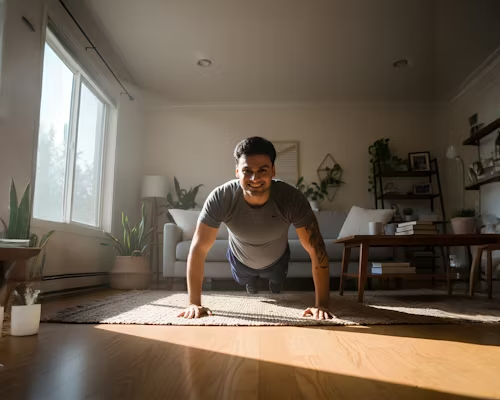
In recent years, home workouts have become one of the most practical ways to stay fit and active. With busy schedules, rising gym costs, and limited time, many people prefer exercising at home where they have complete control over their routine. A home workout not only saves time but also allows individuals to maintain consistency without depending on external environments. The key to success, however, lies in following a structured plan and staying disciplined.
Why Home Workouts Are Effective
Home workouts are highly effective when performed correctly and consistently. Unlike gym environments, where distractions and time constraints can affect performance, working out at home provides flexibility. Individuals can choose their preferred time, pace, and workout style. This freedom often leads to better consistency, which is one of the most important factors in achieving fitness goals.
Another advantage is comfort. Beginners, in particular, may feel more confident starting their fitness journey at home without the pressure of being observed. Over time, this builds confidence and encourages long-term commitment. Additionally, home workouts eliminate the need for expensive memberships or equipment, making fitness accessible to everyone.
Building a Balanced Workout Routine
A well-structured home workout routine should target all major muscle groups. It is important to maintain balance to avoid overworking one part of the body while neglecting others. A typical routine should include exercises for the upper body, lower body, and core.
Upper body strength can be developed through movements that engage the arms, shoulders, and chest. Lower body exercises focus on strengthening the legs and improving stability. Core exercises are essential for maintaining posture and supporting overall body movement. When combined effectively, these exercises create a full-body workout that improves strength, endurance, and flexibility.
Consistency in following a routine is more important than intensity in the beginning. Gradual progression helps prevent injuries and ensures sustainable results.
The Importance of Warm-Up and Cool Down
Many people overlook the importance of warming up before starting a workout. A proper warm-up prepares the body for physical activity by increasing blood flow and loosening muscles. This reduces the risk of injury and improves overall performance.
Similarly, cooling down after a workout is essential for recovery. It helps the body return to its normal state and prevents muscle stiffness. Stretching after exercise also improves flexibility and reduces soreness, making it easier to continue workouts regularly.
Staying Motivated and Consistent
Maintaining motivation is one of the biggest challenges in a home workout routine. Without a structured environment like a gym, it can be easy to skip sessions. Setting realistic goals and tracking progress can help maintain focus. When individuals see improvements in their strength and endurance, they are more likely to stay committed.
Creating a dedicated workout space at home can also improve consistency. Even a small area can serve as a reminder to stay active. Over time, exercise becomes a habit rather than a task, making it easier to stay on track.
Conclusion
A home workout routine is a simple yet powerful way to achieve fitness goals without relying on a gym. With proper planning, consistency, and motivation, individuals can build strength, improve health, and maintain an active lifestyle. The key is to stay disciplined and focus on long-term progress rather than quick results.












Post Comment